How two swimming-related activities led to very different experiences
A core concept in Renaissance Swimmer is to be curious and open-minded about new swimming-related experiences. Within swimming itself, it’s clear that there are benefits to broadening the range of activities you do. But how far does that extend?
Two swimming-related activities that I have very little knowledge of are sub-aqua diving and snorkelling. I sometimes use a snorkel in the pool as a training aid, and I messed about with a snorkel and mask in rock pools while on holiday in Cornwall as a child, but that’s it.
As for SCUBA, I assumed I’d find it claustrophobic and terrifying. It also involves a lot of kit faff, so I never tried it until recently.
A couple of years ago, on holiday, I had the opportunity to take part in an organised snorkelling trip. In the spirit of experimentation, and despite the hefty price tag, I decided to give it a go.
My heart started sinking during the safety briefing when we were informed we had to wear buoyancy aids – even if we were Olympic swimmers. I’m far from being an Olympian, but I’m competent and confident about swimming in the sea, and wearing a buoyancy aid would make swimming slow, awkward and unenjoyable. It would also prevent any diving, which I had assumed would be part of the activity.
After much discussion, the guides agreed I could remove the buoyancy aid to dive, as long as I kept it attached to my foot and put it back on immediately. It was clear they thought I was a difficult customer.
The experience got worse after that as I discovered that being sloshed backwards and forwards by waves while wearing a buoyancy aid quickly made me seasick. I have no trouble with seasickness while swimming normally.
I haven’t completely been put off snorkelling, but I won’t do it again as part of an organised trip.
Undoing preconceptions
Contrast this with my more recent experience with SCUBA. I had the opportunity to try while on a SwimQuest trip. At first, I declined because of my preconceived ideas and because of that negative snorkelling experience. But I was eventually persuaded.
To me, SCUBA seems more dangerous than snorkelling, but we were treated like reasonable adults rather than non-swimmers. There was an online briefing to watch, followed by a short demonstration of how to use the kit and equalise pressure in our ears, and then we were in the water.
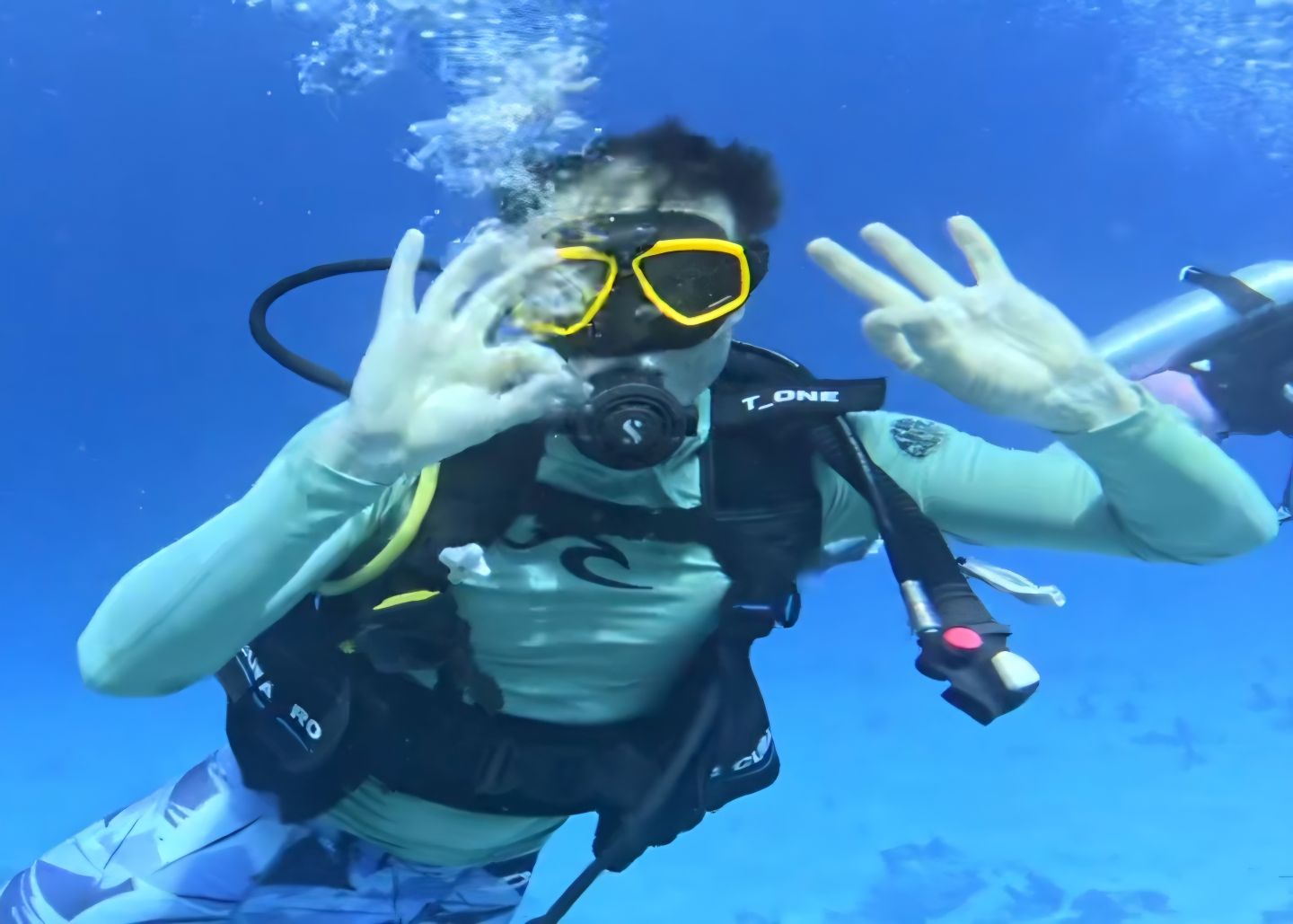
A few minutes later, after being shown how to purge water from the breathing apparatus and clear our masks, we were told to release the air from our jackets, and down we went.
Surprisingly, none of my fears materialised, even when I looked up from 12m down. There was no sense of panic or fear of getting stuck. Instead, it was calming and meditative. I loved how the fish appeared to pay us no heed, swimming right past our faces as if we weren’t there.
After, I told the guide that I felt he’d given us a lot of freedom. He shrugged, smiled and said, “Why not? You were better than many qualified divers who come here.”
This, naturally, made me curious. What could “better” mean in the context of a non-competitive activity like diving? But I think what he was getting at was the level of comfort in the water that being a swimmer gives you. Swimmers quickly understand how to adjust their buoyancy through their breathing, and they can easily change direction and move through all three dimensions.
Now, I’m not claiming any diving expertise. I’m sure there is lots I don’t know. But the big difference between the two experiences is that diving enabled me to make use of my swimming skills, and that was recognised by the guide, even if I didn’t realise it at the time. In contrast, by being forced to wear a buoyancy aid while snorkelling, my swimming skills were negated.
Anyway, despite how much I enjoyed the SCUBA experience, I’m not planning on taking it up more seriously. There’s still too much kit faff involved. But I’m glad I tried it and removed some of my preconceptions about it.
I also wonder if both SCUBA and snorkelling can help us with swimming. In particular, both encourage a more mindful experience of where you are swimming. SCUBA, especially, rewards slowing down and calming your breathing – something which may help with your regular swimming.
What swimming-related experiences have you had, and did your existing swimming skills help?
Check out the nurse sharks we saw while SCUBA diving.
Main image and video by Aly Spencer from Aly Swims Cornwall