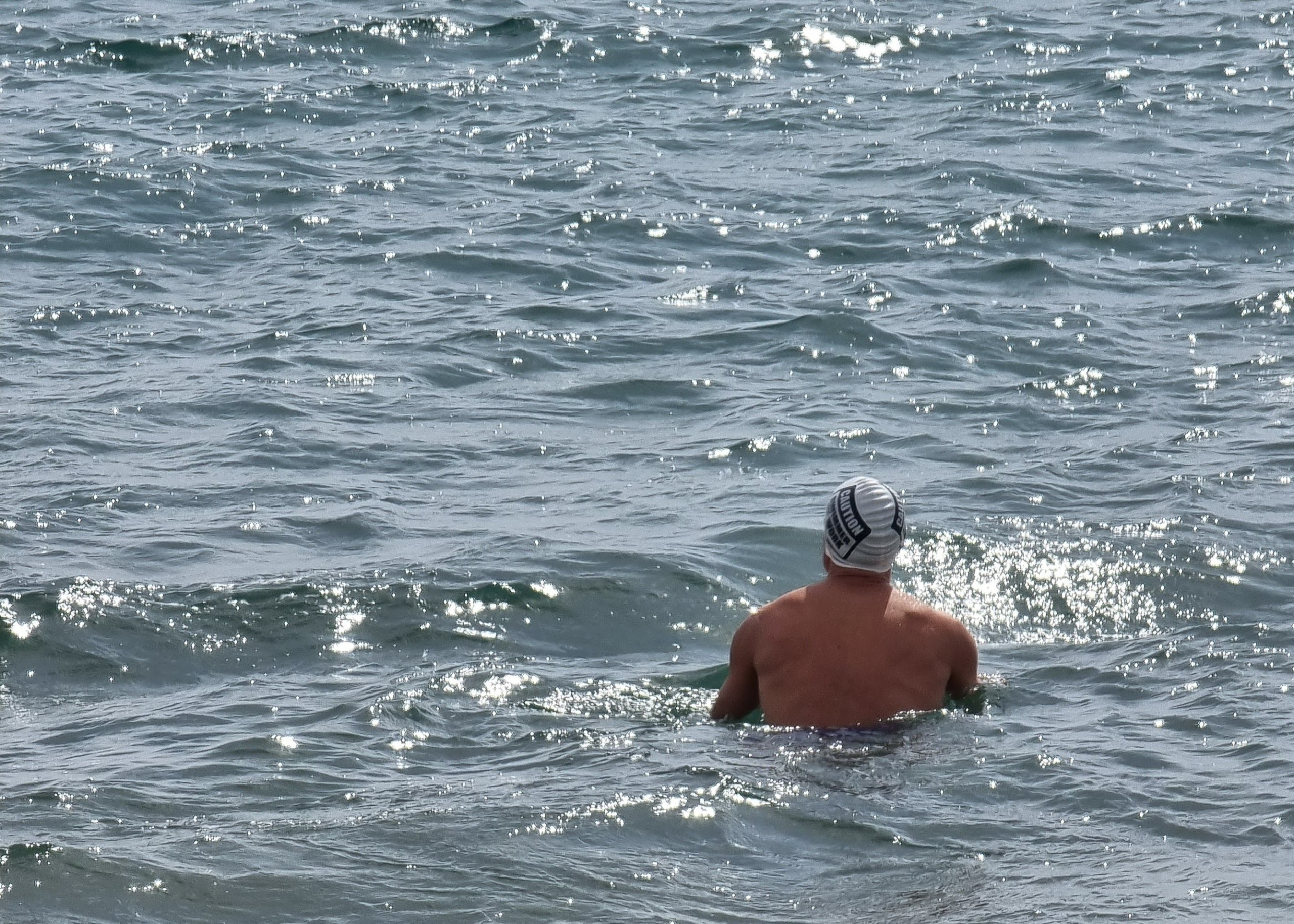
A few extra kilos may keep you warmer in cool water, but could also slow you down.
Over the past few years, I’ve put on about 5kg. A common occurrence in mid-life, perhaps, but I attribute mine to running less, swimming more and starting resistance training rather than age or change in diet. I’m not worried about it, but it’s reminded me that different physiques come with different strengths and weaknesses.
The weight gained seems to be a combination of both muscle and fat, and it’s given me first-hand experience of the trade-offs.
On the plus side, I feel stronger, I can sprint faster, and I’m more comfortable in cool water.
The downsides are a slight decline in my long-distance swimming speed, a collapse in my running ability, especially uphill, and the occasional observation that I looked different.
I don’t attribute all these changes to the weight difference. They are in part down to the way I’ve trained. But I’m sure the weight plays a role too, especially with cold tolerance, even if it’s impossible to link cause and effect completely.
I have a counterexample from a friend who used to cope brilliantly with the cold on long swims. But he changed his training to focus on running and lost about 10 to 15kg. While his swimming speed is unchanged, he now struggles with the cold. (But he runs much faster).
Why swimming changes with weight-loss narrative
At both Outdoor Swimmer and Renaissance Swimmer, we rarely discuss weight loss or gain. This is partly because it’s a sensitive subject, but also because there is no perfect body shape for swimming. There are only trade-offs.
While increased weight negatively impacts running speed because of gravity, this isn’t the case in swimming because of the support provided by the water. However, increasing weight does change your body shape, and this can increase drag.
On the other hand, body fat can help protect you from the cold. It’s not a coincidence that many prospective Channel swimmers deliberately put on weight (I’ve heard that overloading with pizza and ice cream are favoured methods). It doesn’t matter how fast you are if you succumb to the cold before you reach the other side.
We’re constantly exposed to messages suggesting that slimmer is preferable, whether in terms of appearance, health or athleticism. Yet swimming challenges this narrative. Some of swimming’s most remarkable achievements have been accomplished by swimmers carrying more weight than conventional ideas of athleticism or beauty might suggest. They have strength and stamina and a capacity to tolerate a harsh environment for hours. Even swimmers who don’t aspire to epic feats of endurance benefit from carrying a little weight. They can simply enjoy cool conditions for longer. But it comes with downsides too.
The trouble with trade-offs
Over the last year, I’ve done a few long non-wetsuit swims that I simply wouldn’t have been able to do a few years ago. At my old weight, I once became hypothermic on a 10km swim in 22-degree water on a blazing hot day. I’d now find that fairly comfortable.
On the other hand, I also enjoy swimrun, and I’m frustrated with my running speed. I’m sure that if I ran more, I would both lose some weight and run faster, but I’d struggle again with the cold.
Much as we may want to have it all, we can’t.
Train for the swimmer you want to be
Given that we can’t have everything, my approach is as follows:
- Build a training programme around my preferred events
- Eat a sensible, balanced diet, including fuelling my training properly
- Allow myself occasional treats (OK, daily chocolate)
- Leave my weight to take care of itself
- Accept there are trade-offs
- Try to enjoy the benefits of my current weight and not get (too) frustrated with the disadvantages
I don’t want to spend my life counting calories or trying to manipulate my weight in one direction or another. There may be occasions in the future when a specific challenge favours being larger or slimmer, but for now I’d rather focus on training, eating well, and having fun.
Weight, food and body image are complex and sensitive topics. What works for me might not work for everyone, and I don’t want to pretend I have it all sorted. But one thing I appreciate about swimming – in contrast to some other sports – is that it allows people with a wide range of body types to excel. There is no perfect swimmer’s body for all types of swimming, only compromises and trade-offs.