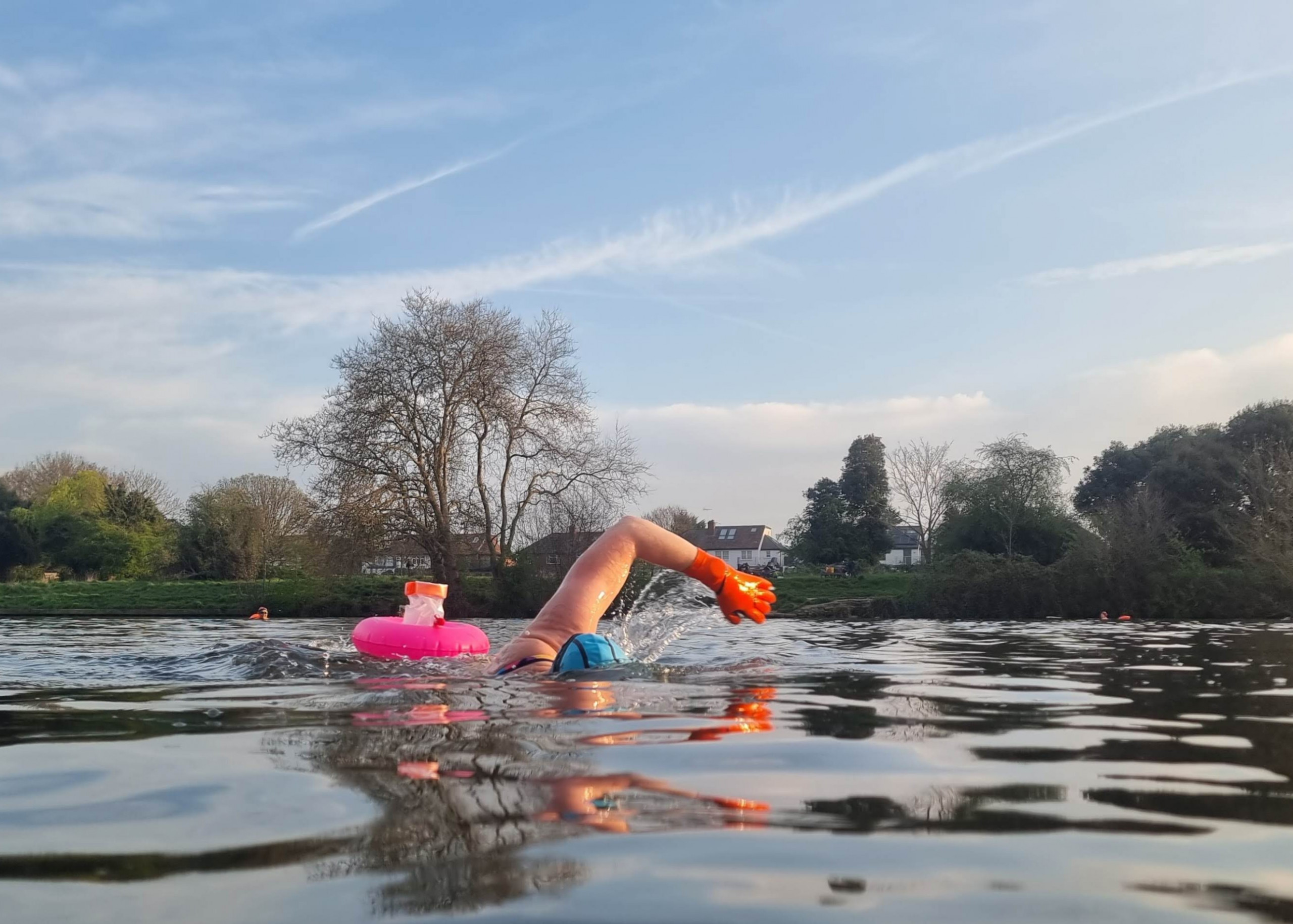
The right way to swim is the one that makes you happy
When I speak with swimmers, they sometimes say, “I think I’m doing it all wrong”. They could be referring to a range of things:
- Their overall technique (very common)
- Their breathing pattern (often misunderstood)
- Their attitude to “training” (I just swim)
- Their views on “drills” (drills are for dentists)
- Their appetite for different types of swimming (not interested)
We live in a performance-orientated culture. We’re encouraged to strive to pass exams at school and hit targets in our professional lives. Swimming is practised as a competitive sport and we celebrate speed, distance and overcoming challenges.
But even if we don’t compete, the language and ideas of competitive swimming influence how we think about it. We start thinking that the right swimming technique is one modelled on Olympians, that the right way to train is to try to improve our strength and endurance, and that the right challenges to pursue are those that take us out of our comfort zone.
And somehow, for some people at least, if we’re not doing it “right” we must be doing it “wrong”. And that’s occasionally linked to a sense of guilt or embarrassment.
Some of you reading this will think that’s melodramatic. I’m sure some of you are also nodding along thinking, “that’s me!”. You’re the ones who say, “I should improve my catch”, “I should learn bilateral breathing” or “I should push myself to bigger challenges”.
Want, not should
This, I think, is where we sometimes lose sight of why we swim. When we say “should”, we imply obligation. Yet why should we have any obligations in swimming except to stay safe and avoid harm to other people and the environment?
If you’re happy with your swimming as it is, why “should” you change anything? It’s not wrong to swim with less than perfect technique. It’s not a crime to be content with how you currently swim.
But equally, there is nothing wrong with “wanting” to improve your technique, swim faster or get fitter.
A simple but meaningful mental shift
That simple change of modal verb makes a huge difference. You move from obligation to desire. It takes away any sense of “wrongness” in doing things how you currently do. It allows you the slack to choose when to swim for the pure joy and relaxation of being in the water, and when to focus and work.
When you want something, the effort needed to get there feels much less like work than if it were something you had to do. Wanting to do something allows you to enjoy the journey and the process. Feeling like you should do something can breed resentment.
So let go of any idea of doing it wrong in swimming. You’re not. You’re swimming in a way that’s right for you right now. Enjoy your swimming for what it is and what it brings you. You don’t need to change.
But if you want to explore how to get faster, how to uncover new adventures, or how to use swimming to boost your fitness, then that’s fine too.
Part of the ethos of Renaissance Swimmer is to accept that if you swim, however you swim, you are a “proper” swimmer. You’re already enough. But if you want more, we have the tools, resources and structure to support you.