
How to make progress in swimming through patience and finding joy in the process
I hesitated to write this because it may sound a little self-indulgent, but I also know many swimmers feel stuck or frustrated with their progress, and I have some ideas to share that might help.
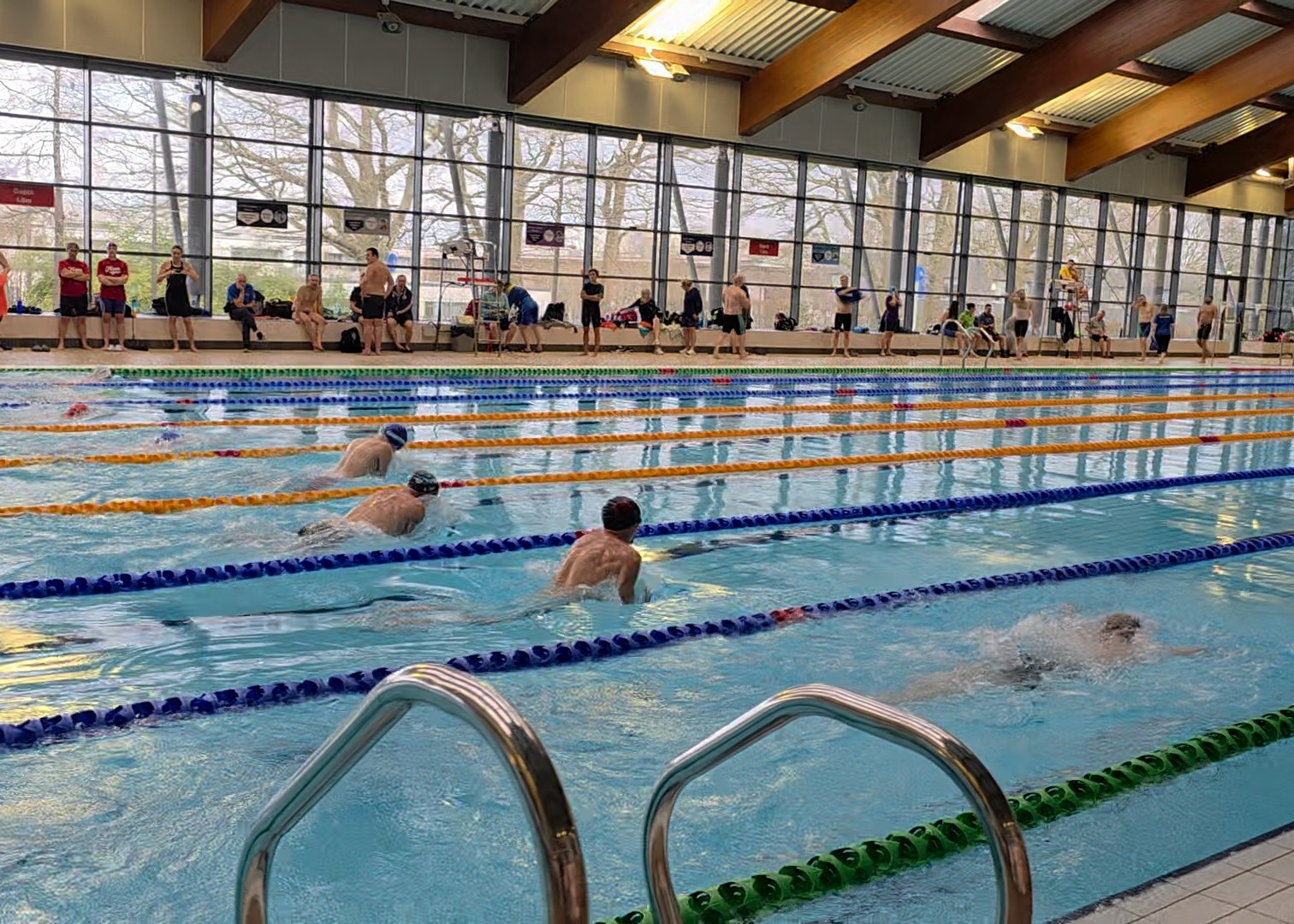
Last weekend, I raced in a masters swimming gala in Crawley, and I swam three lifetime personal bests. It’s not that impressive. They were only hundredths of a second quicker than my previous times. They are still a long way short of what the fastest in my age group can do, and they are painfully pedestrian compared to world record times.
But that’s not the point. The better comparison to make is with myself yesterday – or in this case, myself as a teenager or in my 20s – not with Olympians.
I was never a brilliant swimmer, but I wasn’t terrible either. I made county championships a few times. I swam for my university team. I went on to do triathlon and was usually one of the first out of the water.
But I can swim faster now, at 59, on all strokes and over all distances, than I could then.
I know many people get frustrated with their swimming progress, especially as they age. I’m sharing my example to show that it’s possible to hang on to or even improve your speed, and possibly for longer than you imagine. I’ve seen people two decades older than me doing incredible swims.
I thought I’d share a few things that I do that I think make a difference to my swimming.
Variety: I like to mix up my swimming: pool and open water, sprints and long distances, training on all competitive strokes.
Tracking: I don’t wear a sports watch at the moment but I keep a firm eye on the pace clock during training.
Racing often: Nothing pushes you like a race, and only a race gives you feedback on your best possible performance to the nearest 1/100th of a second.
General fitness: I run, use a bike to get around, walk when I can, and do weights or body-weight exercises three times a week.
Watch and learn: I think about swimming, watch what other people do, and try to learn from them.
Experiment: Ideas in swimming change. New techniques emerge. I experiment with these and incorporate them into my swimming when they make sense.
Optimism: I try to hold on to a belief that I can get faster.
Patience: Getting faster at swimming can take a long time. For example, I spent 14 years trying to improve my 100m freestyle personal best, but I got there eventually.
Obviously, I know I can’t get faster forever. That’s impossible. But recent swims have exceeded my expectations and shown I don’t need to give up on getting faster just yet.
And when I do slow down, there will still be ways to improve and things to work on. There’s still a big gap between what I can do and what the fastest swimmers my age can do. When I can no longer get faster, I can still strive to close that gap.
Try adding some of the above to your swimming, and see what difference it makes. Don’t expect overnight results, but trust in the process and enjoy the journey.
If you want to explore these topics further, please check out Renaissance Swimmer Original
