One or two poor performances are not necessarily indicative of permanent decline. Here’s how to move past them.
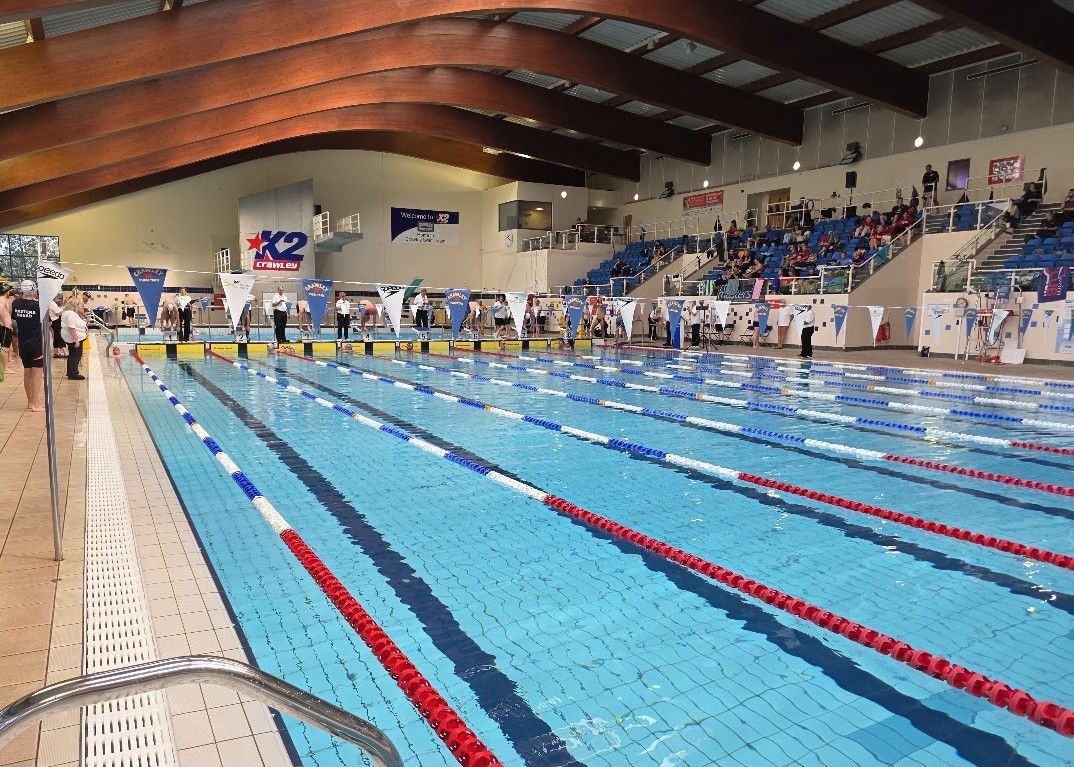
At a recent masters competition, I signed up for five races. The first two went badly. I felt uncoordinated, sluggish and unable to move my arms fast enough.
There were good reasons for this. I had done four open water events over the four previous weekends and had been ill after one of them. I knew I’d done a lot and was tired, but I thought I could still pull off a couple of quick sprints. I mean, how hard could it be to swim 100m in a warm pool compared to 6km in rough and cold open water?
Very, actually!
In my third race, the 100m freestyle, I felt like there was a gear I couldn’t access. Once you have had a poor race, it can play on your mind. Maybe I’m ill? Maybe I’m not as fit as I thought I was? Maybe age has caught up with me? These thoughts tumbled through my head as my mood and expectations fell with each race. It became self-fulfilling. I considered pulling out of my final two events.
Two things prompted me to stay.
The first was Lucy, who helps me run the Renaissance Swimmer Club. She reminded me that my objective of the day was to get some race practice ahead of National Masters, regardless of the actual results. Race skills get stale if you don’t use them.
Second was one of those random poolside conversations. One swimmer had just done a record-breaking swim but was undecided about doing her next event. Her friend encouraged her. “When you’re swimming well, take advantage of it.”
I asked, “what about if you’re swimming badly?”
“Be a goldfish,” they told me. “Forget about the swims you’ve already done. Just think about the next one.”
Of course, you can’t just forget a swim, but it was a funny moment that made me laugh and lifted my mood.
So I stayed.
My next swim was better. Not as fast as I’d been swimming earlier in the year, but not terrible either. More importantly, it was how it felt, like my sprint engine was finally waking up.
My last race, 200m FC, should have been the hardest. It was the one I was looking forward to least. I honestly expected a slow and painful swim. But when I hit the water, everything clicked into place. My stroke was smooth and comfortable. I knew I was moving well. I kept expecting my arms to tie up or my rhythm to collapse, but neither of these things happened. I finished with a sprint and matched the times I’d been doing earlier in the year. The day was salvaged.
Swimming is a strange sport and often delivers the unexpected. A couple of sub-standard swims don’t mean you’ve suddenly got worse as a swimmer, even if it feels like you have. Feeling tired and lethargic before a swim doesn’t necessarily mean it will be slow. Everything can change when you hit the water. And that makes racing worth sticking with on those days when it’s not going well.
And even if you don’t pull a good swim out of the bag at the end, at least you get the race practice.